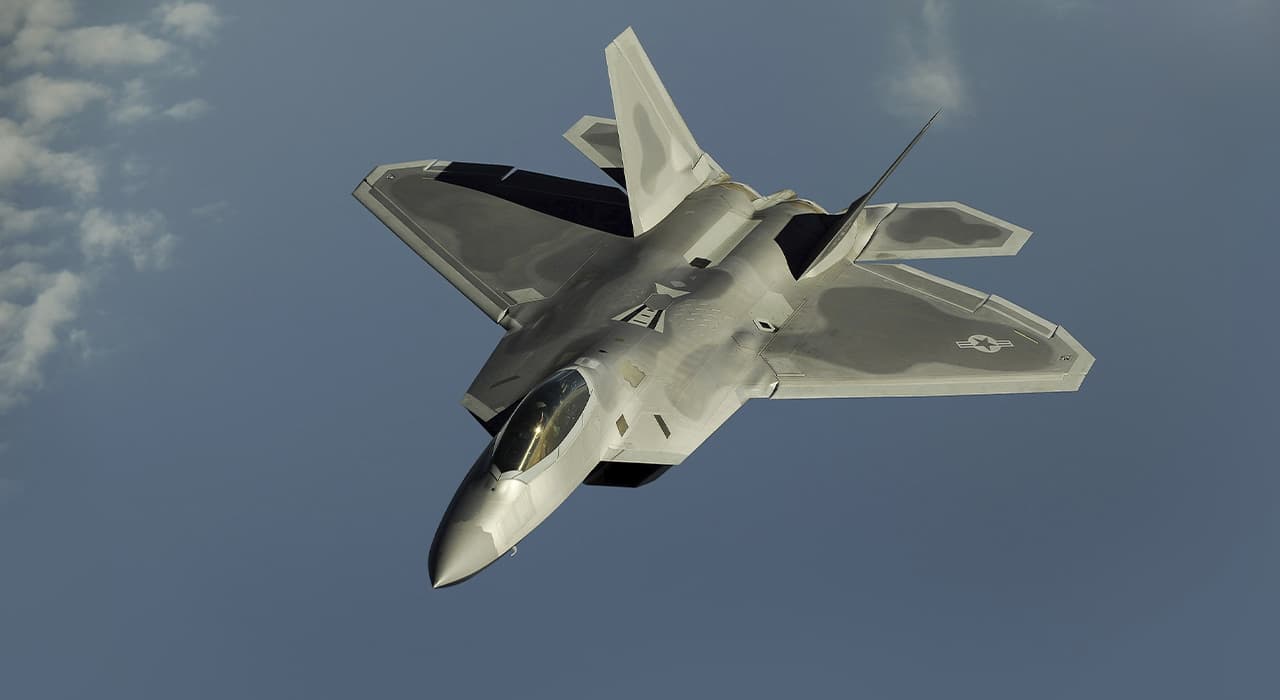




Electronic warfare spending headed up in 2013 DOD budget in one of only a few growth areas

February 17, 2012

Posted by John Keller

WASHINGTON, 17 Feb. 2012. Electronic warfare and electro-optics countermeasures are shaping up to be among the few real growth areas of the Pentagon's fiscal 2013 budget, which the Obama Administration submitted to Congress this week.

Leaders of the U.S. Department of Defense (DOD) plan to spend $4.95 billion next year for electro-optic and electronic warfare work, which represents growth of 7.6 percent over the $4.6 billion DOD has budgeted for electronic warfare and electro-optics countermeasures this year. Proposed spending next year, however, is down 12.67 percent from 2011 spending levels of $5.67 billion.

The 2013 DOD budget request calls for spending $3.44 billion in electronic warfare and electro-optical countermeasures procurement, and $1.52 billion in research, development, test, and evaluation (RDT&E). The procurement number is up 3.4 percent from current-year levels of $3.32 billion, and is down 21.1 percent from 2011 levels of $4.36 billion. The RDT&E number is 8.9 percent more than current-year levels of $1.27 billion, and 15.3 percent higher than 2011 levels of $1.31 billion.

The largest electronic warfare program in the Pentagon's 2013 budget request is $1.06 billion to buy 12 U.S. Navy Boeing EA-18G Growler electronic warfare jets. The EA-18, which replaces the Navy's EA-6B Prowler and Air Force EF-111 Raven electronic warfare jets, is designed to penetrate enemy air defenses, jam radar signals, and destroy radar transmitters with the Raytheon AGM-88 High-speed Anti-Radiation Missile (HARM).

Another big-ticket electronic warfare program in the 2013 DOD budget is a U.S. Army plan to make a $950.5 million contribution to support the Attack the Network project of the Joint IED Defeat Organization (JIEDDO) to destroy complex networks of financiers, improvised explosive device (IED) makers, trainers, and their supporting infrastructure by providing intelligence surveillance, reconnaissance, information operations, counter-bomber targeting, biometrics and weapons technical intelligence capabilities.

The Army also plans a $400 million contribution to the JIEDDO's Defeat the Device program, which focuses on defensive technologies to detect and neutralize IEDs before they can be detonated, or to mitigate the effects of detonations.

Next year the Army also plans to spend $100.2 million to buy 43 AN/TPQ-48/49 Lightweight Counter Mortar Radar (LCMR) systems from manufacturer SRC Inc. in Syracuse, N.Y. The LMCR provides continuous 360-degree surveillance to detect and locate enemy mortar firing positions by tracking the mortar shell to the weapon it was fired from. When a mortar is detected, the LCMR system sends a warning message indicating a round is incoming. The LCMR also can track small aircraft and mortar rounds simultaneously.

The biggest electronic warfare research program in the 2013 DOD budget is a $281.1 million U.S. Air Force system development and demonstration initiative to develop a modern electronic warfare defensive management system for the B-2 Spirit stealth bomber to replace the existing Lockheed Martin AN/APR-50 electronic support measures (ESM) system. Just this week Northrop Grumman, the B-2 prime contractor, chose the BAE Systems Electronic Solutions segment in Nashua, N.H. to develop the new B-2 ESM system for the B-2.

The Air Force has a $168.6 million procurement plan next year to buy the Large Aircraft Infrared Countermeasures (LAIRCM) system from Northrop Grumman Corp. LAIRCM is designed to defend large aircraft such as the C-17 cargo jet from shoulder-launched heat-seeking missiles.

Another large electronic warfare research program in next year's Pentagon budget is a $187 million U.S. Navy plan to develop the Next-Generation Jammer (NGJ), which will replace the AN/ALQ-199 as the Navy's primary airborne electronic warfare system. Although the Navy has not yet released its formal solicitation for the NGJ program, service experts are briefing industry on their goals and schedules early this year.

The Navy also has another sizable electronic warfare program on tap for next year -- the so-called "soft-kill" portion of the Ship Self Defense (SSD) program. The SSD seeks to defend surface warships from anti-ship missiles. The soft-kill portion of the SSD program would jam radar-guided missiles to deflect them from their targets.

The Navy next year also plans to put $71.3 million into the Joint Counter Radio Controlled IED Electronic Warfare (JCREW) research and development program, as well as $92.3 million for the AN/SLQ-32 shipboard electronic warfare system procurement.

Social Media Tools

Sponsored by:
Recommend this Article Recommend this Article () You Recommended this Article You Recommended this Article ()

Most Popular Articles


Wire News provided by   

Webcasts

On Demand

A Simulation Environment to Help Avionics Developers Meet DO-178C Objectives

Join Wind River for an educational webinar on how avionics developers can take advantage of the power of Wind River Simics to meet new guidance published in DO-178C.  Clearly, the historic methods of achieving compliance may no longer be acceptable as DO-...
Sponsored by:

DO-178C: The Evolution of Software Technology in Safety

This webinar will examine the impact these supplements will have on certifiable aircraft software development, the developers and the processes which are used.

Sponsored by:

Migrating to DO-178C and other Avionics Software Certification Trends

Wind River, Ada Core and Verocel will show the webcast audience how use of COTS technology and best practices in software certification can improve time to market and reduce risk for safety-critical software developers. Wind River will introduce the benefits...

Featured Sponsor


Avionics Article Archives

Close this offer Close
Military & Aerospace Electronics Defense Executive Ebedded Computing Report Avionics Intelligence
Subscribe
FREE Newsletters from the Aerospace & Defense Media Group
Required field
Required field
Required field
I would like to receive the following e-mail newsletters
Military & Aerospace Electronics Weekly Yes No Required field
Defense Executive Yes No Required field
Embedded Computing Report Yes No Required field
Avionics Intelligence Yes No Required field
In order to subscribe, you must select at least one newsletter above.
No Thanks. No Thanks